
When the Headlines Pick Sides
Bias of the Week: March 6, 2026
This week, the legacy press eulogized Iran’s supreme leader and reframed nine hours of Clinton testimony on Epstein as Trump news. Also, a look at how the press helped shake up a Texas primary race to favor their chosen candidate. Consumers of mainstream media might think they are getting news, but they often get narrative instead.
The Media Mourns the Mullah
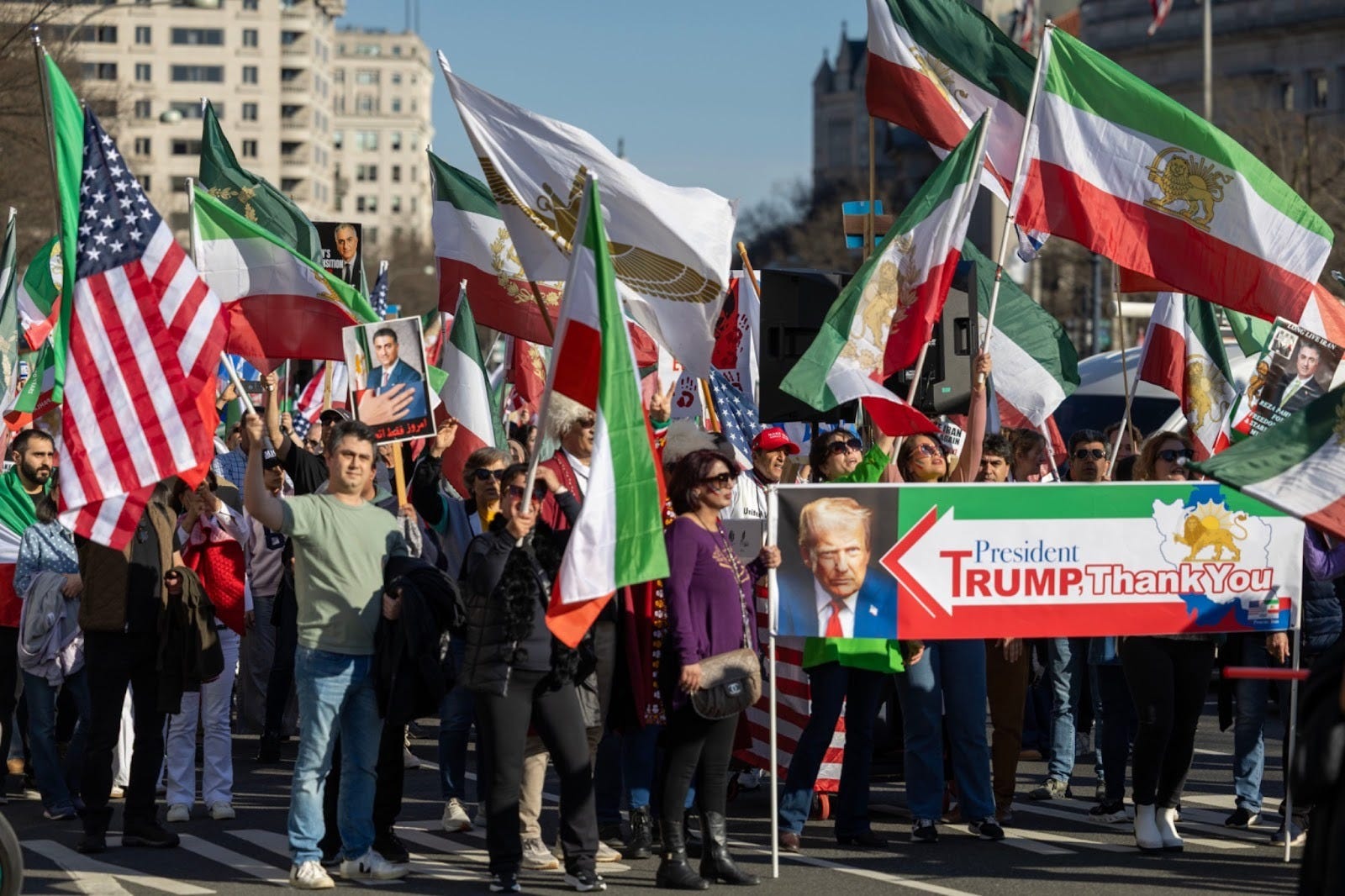
After U.S. and Israeli strikes eliminated Iran’s longtime supreme leader Ali Khamenei over the weekend, scenes of celebration broke out from Tehran to Los Angeles. After 36 years of rule marked by repression, terrorism, and the killing of an estimated 30,000 of his own people after a recent uprising, Iranians at home and abroad openly rejoiced. Some even waved signs reading, “Make Iran Great Again.”
Meanwhile, the mood was much more sour among some in the American press.
The Washington Post remembered Khamenei as a man with a “bushy white beard and easy smile,” an “avuncular figure … fond of Persian poetry and Western novels” (article rating: L:23). The New York Times’s headline called him simply a “hard-line cleric who made Iran a regional power” and described his leadership style as one of “avuncular and magnanimous aloofness, running the country from a perch above the jousting of daily politics” (rating: L:17). Legal historian Jonathan Turley offered a translation, saying it was more like an “avuncular predilection for mass killings, suppression of women, and torture of dissidents.”
Elsewhere, the Times accused Trump of “violating the Constitution” by ordering the strikes. The Post similarly suggested his actions were illegal, saying he acted “without authorization from Congress.” But presidents of both parties have long asserted authority to conduct limited military operations without prior congressional approval. The Supreme Court has upheld broad executive war powers, which Congress can override only with a veto-proof majority, and no war powers resolution has ever survived a presidential veto.
Curiously, when President Obama ordered airstrikes in Libya and elsewhere without congressional authorization, coverage in these same outlets was more accommodating. The Times even praised his actions in an editorial. The Post ran opinion pieces explaining why they were constitutional. Then again, maybe they were just following orders since House Speaker Nancy Pelosi had instructed the press not to quibble with those actions, saying Obama “did not need authorization” to use force.
This week, the Times’s Peter Baker also faulted Trump for making what he called “conflicting statements” about whether the goal was regime change or dismantling Iran’s nuclear program. Why can’t it be both? The Times also echoed Democratic talking points, calling Trump’s actions his “war of choice” on its front page.
Maybe the timing was Trump’s choice, but there’s little question that Iran provoked backlash.
Iran’s record under Khamenei included sponsorship of terror that has killed Americans across the region for decades, with roughly 180 attacks on Western forces since October 2023 alone, including on a base in Jordan that killed three Americans. Not long ago, regime change in Iran was a bipartisan cause. Hillary Clinton promised during her 2008 presidential run, “I want the Iranians to know that if I am president, we will attack Iran.” Just last year, Chuck Schumer called Trump a chicken for what he said was “folding to Iran.”
The press is right to hold executive power to account, but it must practice that consistently across party lines.
Turning Clinton Testimony Into Trump News
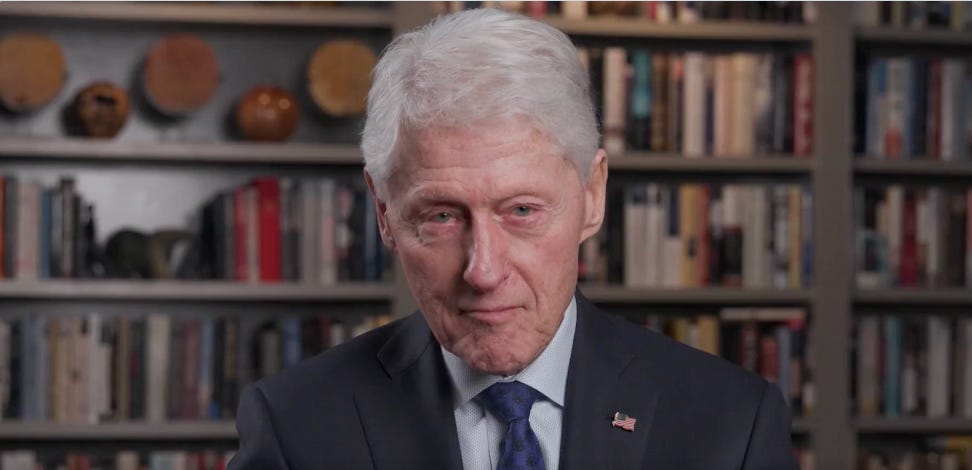
The House Oversight Committee this week released deposition footage from Bill and Hillary Clinton in its investigation into their interactions with Jeffrey Epstein. Yet the biggest news from roughly nine hours of the Clintons’ testimony, according to much of the press, somehow became … Donald Trump.
Despite Bill Clinton’s close friendship with Epstein, NPR’s coverage quickly concluded that he had no knowledge of Epstein’s crimes because he said he didn’t and then questioned why Hillary was even called to testify. The rest of the story on the Clintons’ testimony pivoted to Trump’s connections to Epstein. The New York Times described Hillary Clinton as “defiant” before saying the real news of the hearing was that “former President Bill Clinton spoke of President Trump’s ties to Epstein.”
Reuters went further with its headline: “Clinton says Trump told him of ‘some great times’ with Jeffrey Epstein.” Politico’s roundup of what it called the “biggest revelations from Bill Clinton’s deposition on Epstein” also began with the fact that Trump knew Epstein. The big news, according to Newsweek’s headline, was that Hillary called out “Donald Trump’s ‘prior conduct.’”
What received far less media attention was Bill Clinton’s statement that “[Trump] never said anything to me to make me think he was involved in anything improper with regard to Epstein.”
In seemingly endless coverage of the Epstein files over the last year, much of the mainstream press seems determined to target Trump and other Republicans. But, as The Wall Street Journal pointed out, “the Epstein files are hitting Democrats hardest.” Indeed, after Democrats in Congress led the push to release the documents, prominent Democratic figures have faced most of the fallout over their ties to Epstein.
Former Clinton Treasury secretary Larry Summers stepped down from leadership roles at Harvard, former Sen. Bob Kerrey (D-Neb.) resigned from the board of a Nebraska clean-energy company, and institutions removed tributes to former Senate Majority Leader George Mitchell (D-Maine). Fallout so far has also included the resignation of Goldman Sachs general counsel Kathryn Ruemmler, a White House counsel to Obama, and top Democratic fundraiser Brad Karp.
The Colbert Primary Decided by the Press
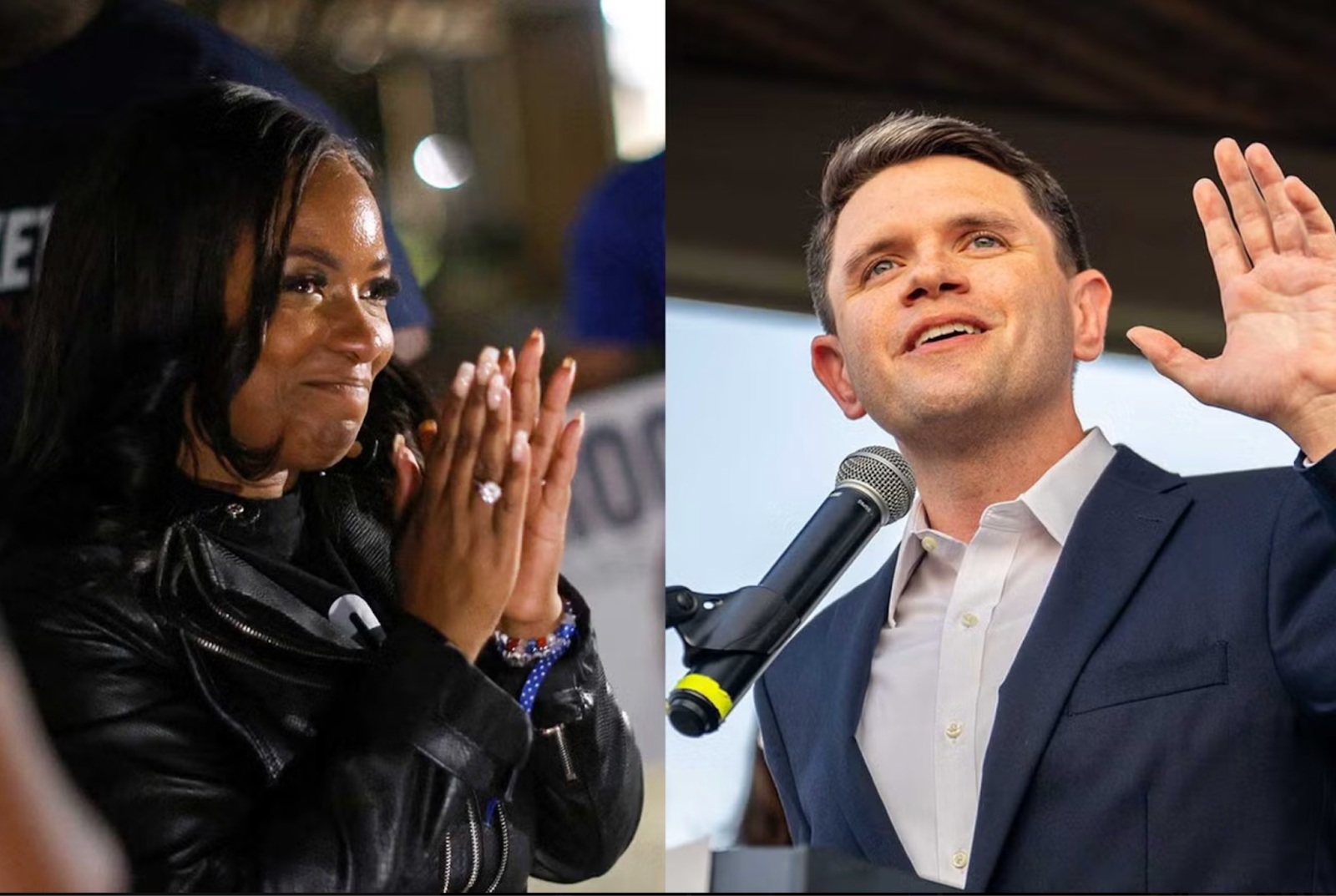
James Talarico pulled off an upset in Tuesday’s closely watched Democratic primary for a Texas Senate seat, defeating anti-Trump firebrand Jasmine Crockett to face the Republican in November. Talarico, who is widely seen by Texas Democrats as more electable in the general race, had been trailing Crockett in the polls until a mid-February PR stunt—eagerly amplified by the press—propelled him into the lead, prompting relief among Democrats nationwide.
Late-night host and Democratic fundraiser Stephen Colbert helped spark the controversy by accusing Donald Trump and CBS News of shutting down his interview with Talarico. In reality, CBS had simply warned that airing the interview could trigger federal “equal time” rules for broadcast TV requiring similar airtime for rival candidates—meaning Crockett. Rather than offer that, Colbert posted the segment on YouTube, where it drew nine million views, far more people than even watch his show.
The media took coverage to a fever pitch, helping transform a routine broadcast rule from 1934 into a political drama centered on Trump. The resulting outrage allowed Talarico to claim victimhood, generating free publicity and ultimately helping him raise about $2.5 million.
The Texas Tribune quoted Colbert declaring, “Donald Trump’s administration wants to silence anyone who says anything bad about Trump on TV.” CNN reported that the controversy “stems from the Trump administration’s intensifying pressure against broadcast TV networks.” NBC repeated Talarico’s claim that Republicans were responsible for “the most dangerous kind of cancel culture.” PBS also insisted Trump was somehow to blame for Colbert not wanting to give Talarico’s Democratic opponent equal airtime.
Sometimes the most effective campaign ad isn’t a commercial; it’s manipulative media coverage.